Euclid’s Elements · Heath edition data欧几里得《几何原本》· Heath 版本数据
prop VII.3
Given three numbers not prime to one another, to find their greatest common measure.已知三个不互素的数,求它们的最大公度。
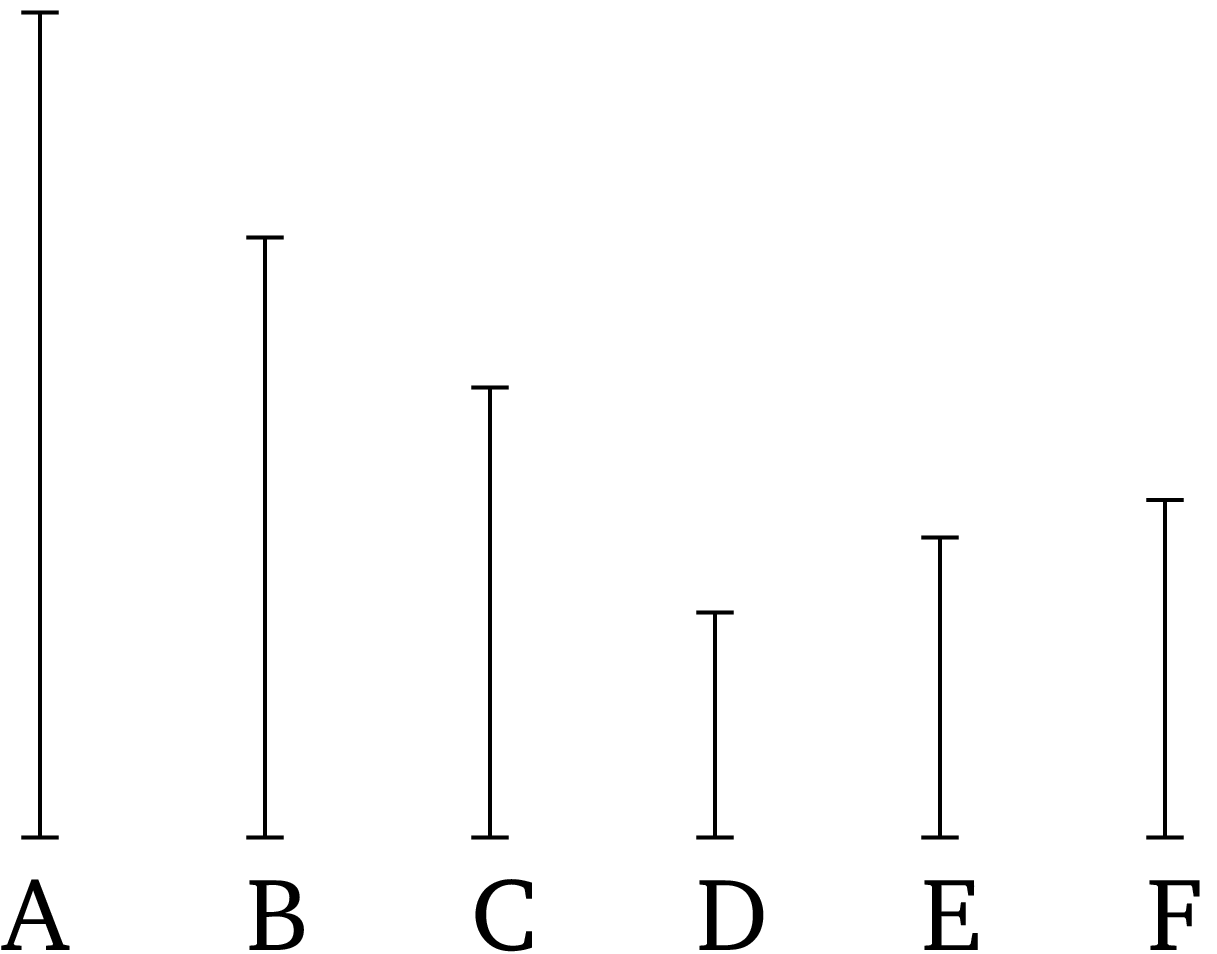
euclid-fitzpatrick archive and matched by book/number. It is not a scan of Heath’s printed figure, and lettering/edition details may differ.本配图提取自本地 euclid-fitzpatrick 档案,按卷号/命题号匹配。它并非 Heath 印刷版原图的扫描件,字母标注与版本细节可能有差异。Full text全文
Given three numbers not prime to one another, to find their greatest common measure.
Let A, B, C be the three given numbers not prime to one another; thus it is required to find the greatest common measure of A, B, C. Forlet the greatest common measure, D, of the two numbers A, B be taken; [VII. 2] then D either measures, or does not measure, C. First, let it measure it. But it measures A, B also; therefore D measures A, B, C; therefore D is a common measure of A, B, C. I say that it is also the greatest.
For, if D is not the greatest common measure of A, B, G; some number which is greater than D will measure the numbers A, B, C. Let such a number measure them, and let it be E. Since then E measures A, B, C, it will also measure A, B; therefore it will also measure the greatest common measure of A, B. [VII. 2, Por.] But the greatest common measure of A, B is D; therefore E measures D, the greater the less: which is impossible. Therefore no number which is greater than D will measure the numbers A, B, C; therefore D is the greatest common measure of A, B, C. Next, let D not measure C; I say first that C, D are not prime to one another. For, since A, B, C are not prime to one another, some number will measure them. Now that which measures A, B, C will also measure A, B, and will measure D, the greatest common measure of A, B. [VII. 2, Por.] But it measures C also; therefore some number will measure the numbers D, C; therefore D, C are not prime to one another. Let then their greatest common measure E be taken. [VII. 2] Then, since E measures D, and D measures A, B, therefore E also measures A, B. But it measures C also; therefore E measures A, B, C; therefore E is a common measure of A, B, C. I say next that it is also the greatest. For, if E is not the greatest common measure of A, B, C, some number which is greater than E will measure the numbers A, B, C. Let such a number measure them, and let it be F.
Now, since F measures A, B, C, it also measures A, B; therefore it will also measure the greatest common measure of A, B. [VII. 2, Por.] But the greatest common measure of A, B is D; therefore F measures D. And it measures C also; therefore F measures D, C; therefore it will also measure the greatest common measure of D, C. [VII. 2, Por.] But the greatest common measure of D, C is E; therefore F measures E, the greater the less: which is impossible. Therefore no number which is greater than E will measure the numbers A, B, C; therefore E is the greatest common measure of A, B, C.
Q. E. D.
已知三个不互素的数,求它们的最大公度。
设 A、B、C 为三个已知的不互素的数; 于是要求求出 A、B、C 的最大公度。 因为,设取两数 A、B 的最大公度 D;[VII. 2] 那么 D 或者量尽 C,或者量不尽 C。 首先,设它量尽 C。 但它也量尽 A、B; 所以 D 量尽 A、B、C; 所以 D 是 A、B、C 的一个公度。 我说,它也是最大的。
因为,如果 D 不是 A、B、C 的最大公度,就会有某个比 D 大的数量尽数 A、B、C。 设这样的数量尽它们,记为 E。 于是,由于 E 量尽 A、B、C, 它也将量尽 A、B; 所以它也将量尽 A、B 的最大公度。[VII. 2,推论] 但 A、B 的最大公度是 D;所以 E 量尽 D,即大数量尽小数:这是不可能的。 所以没有比 D 大的数能量尽数 A、B、C; 所以 D 是 A、B、C 的最大公度。 其次,设 D 量不尽 C; 我先说,C、D 不互素。 因为,由于 A、B、C 不互素,会有某个数量尽它们。 那么,量尽 A、B、C 的数也将量尽 A、B,并将量尽 A、B 的最大公度 D。 [VII. 2,推论] 但它也量尽 C; 所以有某个数将量尽数 D、C; 所以 D、C 不互素。 于是设取它们的最大公度 E。 [VII. 2] 那么,由于 E 量尽 D,而 D 量尽 A、B, 所以 E 也量尽 A、B。 但它也量尽 C; 所以 E 量尽 A、B、C; 所以 E 是 A、B、C 的一个公度。 我接着说,它也是最大的。 因为,如果 E 不是 A、B、C 的最大公度,就会有某个比 E 大的数量尽数 A、B、C。 设这样的数量尽它们,记为 F。
现在,由于 F 量尽 A、B、C,它也量尽 A、B; 所以它也将量尽 A、B 的最大公度。[VII. 2,推论] 但 A、B 的最大公度是 D;所以 F 量尽 D。 而它也量尽 C; 所以 F 量尽 D、C; 所以它也将量尽 D、C 的最大公度。[VII. 2,推论] 但 D、C 的最大公度是 E;所以 F 量尽 E,即大数量尽小数:这是不可能的。 所以没有比 E 大的数能量尽数 A、B、C; 所以 E 是 A、B、C 的最大公度。
证毕
中文译文为 AI 辅助翻译(依据 Heath/Fitzpatrick 英文文本),术语遵循全站统一术语表(i18n/glossary.md)。如有疑义请以英文原文为准。
Uses / depends on使用 / 依赖于 (1)
Cited by被引用 (1)
Static page generated from local hypatia shelf data; body source on this page: Heath shelf text. Known Heath-source imperfections are otherwise preserved, including the Book III numbering anomaly and the fact that X.60 is a lemma in the source entry.本静态页面由本地 hypatia 知识架数据生成;本页正文来源:Heath 知识架文本。已知的 Heath 源数据瑕疵均按原样保留,包括卷三编号错位问题,以及 X.60 在源数据中实为一条引理。